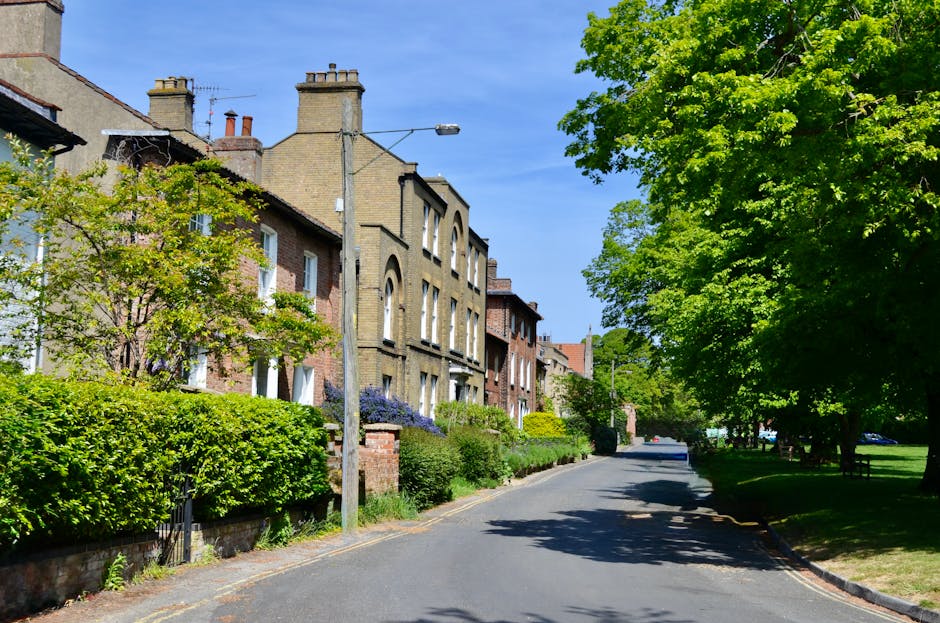
Bounds Green Road gardeners who know N11 properties: a practical guide for homeowners and landlords
If you live on Bounds Green Road, or anywhere across N11, you already know gardens here can be a bit different from the neat little picture people sometimes imagine. Front gardens can be narrow, back plots can be long and shaded, access can be awkward, and shared boundaries often need a gentle hand. That is exactly why Bounds Green Road gardeners who know N11 properties matter. They understand the mix of house types, the rhythm of London weather, and the practical realities of keeping a garden tidy without turning it into a weekend of stress.
This guide explains what local garden care should look like, how it works, what to expect, and how to choose services that genuinely suit your property. You will also find a simple checklist, a comparison table, and a few grounded tips from real-world garden maintenance situations. Nothing flashy. Just useful, honest guidance.
Table of Contents
- Why it matters on Bounds Green Road
- How the service works
- Key benefits and practical advantages
- Who this is for and when it makes sense
- Step-by-step guidance
- Expert tips for better results
- Common mistakes to avoid
- Tools, resources and recommendations
- Law, compliance, standards and best practice
- Options, methods and comparison
- Case study or real-world example
- Practical checklist
- Conclusion
- Frequently asked questions
Why Bounds Green Road gardeners who know N11 properties Matters
The value of local knowledge is easy to underestimate until you see the difference it makes. A gardener who understands N11 properties is not just trimming plants. They are reading the space, the layout, the access, the light levels, the neighbours, and the seasonal pressure that comes with London gardens. A terrace at the front of a Victorian home will need a different rhythm from a newer build with a smaller paved strip and containers, and that is before you even factor in mature hedges, overgrown trees, or the occasional forgotten corner where weeds have made themselves too comfortable.
In practice, local gardeners know which tasks need regular attention and which can be handled in a more strategic way. On a busy road like Bounds Green Road, the right approach often means working efficiently, keeping noise and disruption sensible, and making tidy-up work part of the job rather than an afterthought. Let's face it, nobody wants a "finished" garden that still looks as if a storm passed through.
There is also the trust element. When a gardener has experience with local properties, they are more likely to anticipate things such as limited side access, awkward waste removal routes, mature boundary planting, and the need to protect paving or timber features. That awareness saves time, avoids damage, and leads to better decisions overall.
If you are comparing providers, it helps to look beyond broad promises and focus on local capability. A useful place to start is the broader services overview, then narrow it down based on what your garden actually needs.
How Bounds Green Road gardeners who know N11 properties Works
Good garden care usually starts with a quick assessment. Not a dramatic one, just a practical look at what is growing, what is failing, what is getting in the way, and what needs regular upkeep. That assessment should include plant health, lawn condition, hedge shape, overgrowth, access points, and any surfaces or structures that might need extra care.
From there, the work typically falls into a few common categories:
- Routine maintenance such as mowing, weeding, edging, pruning, and seasonal tidy-ups.
- Restoration work for gardens that have become overgrown, patchy, or difficult to manage.
- Structural improvements like new beds, better borders, paving, fencing-adjacent clearances, or practical landscaping.
- Specialist tasks such as hedge trimming, garden clearance, decking, or tree-related work.
The best gardeners do not force every garden into the same routine. A shady N11 rear garden with damp soil and mature shrubs will need different care from a sunny front garden that dries out quickly and suffers from compacted ground. Simple enough, but often overlooked.
Good communication matters too. You should be told what will be done, how long it is likely to take, what waste will be removed, and whether any follow-up visits are advisable. If a team is transparent about timing, materials, and expectations, that is usually a good sign.
If your garden has become more than a quick tidy can solve, it may be worth looking at garden maintenance support or, for heavier jobs, garden clearance.
Key Benefits and Practical Advantages
Hiring gardeners who know the area is not only about convenience. It has real, practical upsides that show up in the garden itself and in your day-to-day life.
- Better results for local property types. N11 gardens often have mixed layouts, boundary issues, and tight access. Local experience helps.
- Less waste, less mess. The right team plans tidy removal and avoids leaving piles of cuttings behind.
- Safer working methods. Mature hedges, uneven ground, and slippery shaded areas need a steady approach.
- More consistent garden health. Regular maintenance prevents problems from becoming expensive, awkward, or time-consuming.
- Cleaner curb appeal. If you are selling, renting, or simply trying to keep on top of things, a neat garden changes the whole feel of a property.
There is also a more subtle benefit: confidence. Once you know your garden is being looked after by people who understand the quirks of local homes, you stop second-guessing every overgrown border or leaning hedge. That peace of mind is worth a lot on a grey Wednesday afternoon when the garden looks a bit much.
For many homeowners, the main benefit is simply getting the balance right. Not overdoing it, not ignoring it. Just keeping the garden alive, tidy, and manageable.
Who This Is For and When It Makes Sense
This kind of local gardening service makes sense for a wide range of people, and not only those with large gardens. In fact, smaller urban plots can be more demanding because every square metre needs attention.
- Homeowners who want a manageable outdoor space without spending every weekend on upkeep.
- Landlords who need gardens kept tidy between tenancies or before inspections.
- Busy families who need regular help with lawns, hedges, and seasonal growth.
- Older residents who want to avoid heavy lifting, climbing, or repetitive upkeep.
- Property sellers who need the outside space to look cared for and well kept.
- New buyers who have inherited an overgrown garden and need a sensible reset.
It also makes sense if you have a garden that looks fine from a distance but has hidden problems up close. Think mossy paving, hedge encroachment, tired lawn edges, or a back corner that has quietly become a storage zone for dead stems and broken pots. Happens all the time. No judgement.
If you are trying to decide whether you need ongoing help or just a one-off reset, the right answer often depends on how quickly the garden grows back and how much time you want to spend maintaining it yourself.
Step-by-Step Guidance
If you are approaching garden work for the first time, or booking help after a long gap, a simple process works best.
- Walk the garden properly. Look at the front, back, sides, and any shared areas. Note what feels urgent.
- Separate maintenance from repair. Mowing and hedge trimming are different from full clearances or redesign work.
- List access issues. Narrow side passages, locked gates, low walls, and awkward parking all matter.
- Decide on your priority. Is it tidiness, safety, presentation, plant recovery, or a complete refresh?
- Choose the right service mix. A good provider may combine lawn mowing, hedge trimming, and selective clearance.
- Agree the finish standard. Ask what will be left behind, what will be removed, and how the garden will be handed over.
- Set a follow-up rhythm. For many gardens, regular upkeep is easier and cheaper than repeated rescue jobs.
One useful tip: take a few quick photos before work starts. Not because anyone expects a drama, but because it helps you compare before-and-after results clearly. And yes, it avoids those awkward "I thought that shrub was meant to stay" moments.
A simple way to prioritise work
If the garden feels overwhelming, split tasks into three buckets: urgent, soon, and later. Urgent might be a hedge blocking light or a lawn that cannot be used. Soon may be edging, weeding, or border tidying. Later could be planting, reshaping, or improving a tired seating area. That small bit of sorting makes the whole job less intimidating.
Expert Tips for Better Results
In our experience, the best gardens are not the ones that are constantly worked on. They are the ones that are worked on in the right order. That sounds obvious, but it saves a lot of wasted effort.
- Do the structural stuff first. If hedges, overgrowth, or clutter are blocking access, deal with those before fine detail work.
- Cut with the season in mind. Some plants respond well to hard pruning, others do not. A careful eye matters more than a quick sweep of the shears.
- Leave room for growth. Over-trimming can make a garden look harsh and create more work later.
- Protect surfaces early. Paths, decking edges, and paving can get slippery or scratched if debris is left to build up.
- Keep notes on problem areas. A north-facing corner, for example, may stay damp and need different treatment every time.
Truth be told, a lot of garden frustration comes from trying to do everything at once. The smarter move is often to tidy, assess, and then improve. A garden can be both practical and attractive without being forced into perfection. Perfection is overrated anyway, especially in a London back garden after a wet week.
If your outside space includes timber features, it is sensible to think about decking services as part of a wider maintenance plan, because slippery or weathered decking can spoil the look and usability of the whole area.
And if you have a lot of green waste, ask how it will be handled. Responsible disposal is part of good workmanship, not a bonus extra.
Common Mistakes to Avoid
There are a few mistakes that come up again and again, and most are easy to avoid once you know what to look for.
- Booking a general tidy when you really need clearance. If the garden has become heavily overgrown, a light visit will not solve it.
- Ignoring access before work starts. If nobody can get equipment through the side gate, the job will slow down.
- Assuming every hedge or shrub should be cut the same way. Different plants have different needs.
- Forgetting about waste. A neat cut is only half the job if the cuttings stay piled up.
- Chasing the cheapest quote without checking scope. A low price can hide a very limited service.
- Letting garden work drift until it becomes a rebuild. Small jobs are easier. Much easier.
Another common issue is trying to time everything to the weather and then waiting forever for the "perfect" day. There is no perfect day, really. There is just the day the job gets done.
Tools, Resources and Recommendations
You do not need a shed full of specialist kit to understand whether your garden is being cared for properly. A few basic tools and habits go a long way.
- Basic hand tools: secateurs, pruning saws, shears, rake, and a decent broom.
- Simple recording tools: photos, notes, and a rough plan of what needs attention.
- Maintenance reminders: a calendar or phone reminder for mowing, hedge checks, and seasonal tidy-ups.
- Surface care awareness: moss and debris on paths, patios, and decking should not be left too long.
- Waste separation: green waste, broken pots, and general rubbish should not be mixed carelessly.
If you want a broader service relationship rather than piecemeal jobs, it may help to review the company's about us page and see whether their approach feels steady, practical, and transparent. That sort of detail says a lot, honestly.
For budget planning, the most useful starting point is a clear quote process. Take a look at pricing and quotes so you know what information should be requested before work begins. Clarity upfront usually prevents annoyance later.
Law, Compliance, Standards and Best Practice
Garden work in the UK is often straightforward, but there are still sensible standards and responsibilities to keep in mind. The details depend on the task, the property, and who is carrying out the work.
For ordinary garden maintenance, good practice includes:
- working safely around tools, ladders, and sharp equipment;
- managing waste responsibly;
- avoiding damage to shared boundaries and neighbouring property;
- protecting people, pets, and surfaces during work;
- making sure tree, hedge, or clearance jobs are handled carefully rather than aggressively.
If tree work or heavier cutting is involved, it is especially important to be cautious. Some tasks may require specialist judgement because of height, weight, location, or the condition of the tree. A competent team should be able to explain what they can do safely and what needs extra care. If they sound vague here, that is a warning sign.
Insurance matters too. A properly insured gardener or garden contractor gives you more confidence when machinery, ladders, or heavier clearance work is involved. You can also check the company's insurance and safety information and health and safety policy if you want to understand their working standards better.
For environmentally aware customers, waste handling and recycling practices may also matter. If so, the page on recycling and sustainability is worth reviewing, especially when a job will create a lot of cuttings or mixed garden debris.
Options, Methods and Comparison Table
Different gardens need different approaches. A quick comparison can help you choose the right level of service without overbuying or underbooking.
| Option | Best for | What it usually includes | Typical upside |
|---|---|---|---|
| Regular maintenance | Managed gardens, busy households, rental properties | Mowing, edging, pruning, weeding, general tidy-up | Keeps the garden under control all year |
| One-off tidy-up | Seasonal resets, event prep, post-holiday catch-up | Clearing, trimming, leaf removal, surface tidy | Fast visual improvement |
| Garden clearance | Severely overgrown or neglected spaces | Removal of excess growth, waste, and obstructive material | Creates a blanker, safer starting point |
| Landscape gardening | Gardens needing layout changes or better function | Border changes, planting structure, ground preparation | Improves long-term use and appearance |
| Full landscaping | Major redesigns or outside-space upgrades | Harder and softer landscaping, layout changes, finishing | Transforms how the garden works |
The right choice depends on how far the garden has drifted from where you want it. A small lawn and a few borders may only need maintenance. A hidden jungle out back, well, that is a different story.
For larger transformation projects, you may also want to explore landscape gardening or broader landscaping if the aim is to reshape the space rather than just keep it tidy.
Case Study or Real-World Example
Here is a realistic example from the sort of work many N11 homeowners deal with, minus the drama. A family on a typical Bounds Green Road property had a front garden that looked fine in winter but became unruly by late spring. The hedge had started leaning out, the lawn was patchy at the edges, and the back path had disappeared under a mix of weeds and fallen leaves. Nothing catastrophic. Just one of those spaces that slowly became more annoying every time they looked at it.
The first step was a simple reset: hedge trimming, mowing, removal of dead growth, and a proper clear of the back corner where old pots and cuttings had built up. After that, the garden was easier to walk through, easier to keep tidy, and much more inviting. Not a full redesign. No fancy features. Just the kind of practical work that makes everyday life feel calmer.
The key lesson? You do not always need to start with a huge project. Sometimes you just need the right first move. Once the space is under control, better choices become obvious.
That is why many people prefer to begin with maintenance and then move into improvement work only when the basics are sorted.
Practical Checklist
Use this checklist before you book or start any work. It keeps things focused.
- Have I identified the main problem: growth, waste, access, safety, or design?
- Do I need a one-off job or recurring upkeep?
- Have I noted any narrow access points, parking issues, or neighbour-sensitive areas?
- Do I know which areas are urgent and which can wait?
- Have I asked what will be removed and what will be left in place?
- Is there any decking, boundary planting, or tree-related work that needs special care?
- Have I checked that safety and insurance information is available?
- Do I understand the quote and what it includes?
- Will I be able to keep the garden in shape after the work is done?
Quick practical note: if you are unsure, start with the smallest effective job. It is easier to build from a tidy baseline than to fix a garden that has been overworked or underplanned. A bit of restraint goes a long way.
Conclusion
Bounds Green Road gardeners who know N11 properties offer more than a trim-and-go service. They bring local judgement, practical timing, and an understanding of how London gardens really behave across the seasons. That matters whether you need a quick tidy, regular maintenance, hedge work, lawn care, or a more substantial garden reset.
The strongest results usually come from simple, careful planning: assess the space, choose the right service level, confirm access and waste handling, and keep future maintenance realistic. Do that, and even a tricky urban garden can become much easier to live with.
If you are ready to improve the look, safety, and usability of your outdoor space, take the next step and speak with a team that understands the local rhythm of N11 properties. Sometimes the difference is surprisingly small: a better plan, a sharper eye, and someone who knows what to look for.
Get a free quote today and see how much you can save.
Frequently Asked Questions
What makes Bounds Green Road gardeners who know N11 properties different from a general gardener?
They are more likely to understand the layout, access issues, and common garden types found in the area. That local familiarity helps them plan work more accurately and avoid awkward surprises.
Do I need regular garden maintenance or just a one-off tidy-up?
If the garden keeps growing back quickly or you want it to stay presentable year-round, regular maintenance usually makes sense. If things have simply got away from you once, a one-off tidy-up may be enough to reset it.
Can a gardener help if my garden is badly overgrown?
Yes. In many cases, a garden clearance is the right starting point before regular maintenance can begin. That is often the cleanest way to turn a neglected space into something manageable again.
Is hedge trimming included in general garden care?
Sometimes, but not always. It depends on the quote and the scope of work. For many gardens, hedge trimming is handled as a separate task because it can require specific tools and more time.
How often should lawns be mown in N11 gardens?
It depends on the season, the growth rate, and how you want the garden to look. Many lawns need more frequent cutting in the faster-growing months and less in cooler periods.
What should I ask before booking garden work?
Ask what is included, how waste will be removed, whether access is an issue, and whether the work is a tidy-up, maintenance visit, or fuller clearance. Clear questions usually lead to clearer quotes.
Are decking areas part of garden maintenance?
They can be, especially if the decking affects safety or the overall look of the space. In some gardens, decking care sits alongside broader outside-space improvements rather than routine mowing or pruning.
What if I live in a smaller property with a tiny garden?
That is still worth maintaining. Small gardens can become messy quickly and often need careful, regular attention because every inch is visible. They can look brilliant with a bit of structure, actually.
Do I need to think about insurance when hiring a gardener?
Yes, especially for work involving ladders, tools, tree work, or heavier clearance. Insurance and safety information adds a useful layer of reassurance and shows the provider takes the work seriously.
How do I know if landscaping is better than maintenance?
If the garden layout itself is the problem, or if you want a different flow, better planting structure, or new features, landscaping may be more appropriate. If the space is basically fine but just needs regular attention, maintenance is usually enough.
Can I combine multiple services in one visit?
Often, yes. Many properties benefit from combining mowing, hedge trimming, and clearance work in one planned visit. That usually feels more efficient and, to be fair, less disruptive too.
What is the best first step if I feel overwhelmed by my garden?
Start with a walk-through and identify the biggest problem area. From there, you can decide whether you need maintenance, clearance, or a more structured improvement plan. Small steps are fine. They really are.