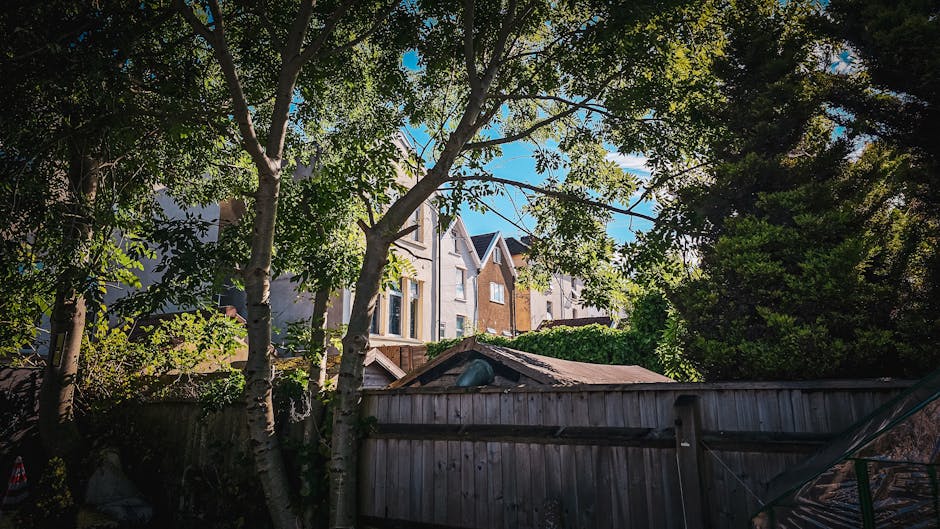
Bowes Park gardeners and lawn care for N11 residents: a practical local guide
If you live in or around N11, garden upkeep can feel strangely time-sensitive. One week the lawn looks fine; the next, a spell of wet weather, a few missed cuts, and a tired-looking border make the whole place feel a bit neglected. That is exactly where Bowes Park gardeners and lawn care for N11 residents come in: steady, local help that keeps things manageable, tidy, and actually pleasant to use.
This guide walks through what good garden care looks like in Bowes Park, how lawn care is usually handled, what to watch out for, and how to choose the right kind of support for your space. Whether you have a compact front garden, a family back garden, or a slightly wild patch that got away from you last autumn, the aim is the same. Keep it healthy, keep it neat, and keep it realistic.
And to be fair, a well-kept lawn does more than look nice. It changes how you use the garden. You notice it when you step outside in the morning and the grass feels springy underfoot instead of patchy and uneven. Small thing, big difference.
Why Bowes Park gardeners and lawn care for N11 residents Matters
Bowes Park has the kind of gardens that reward consistency. Some are narrow and shaded by mature trees. Others get more light but suffer from wear along paths, play areas, or pet routes. That mix means there is rarely a one-size-fits-all solution, which is why local gardeners who understand routine maintenance matter so much.
Lawn care is especially sensitive to local conditions. A lawn that is regularly cut, edged, fed, and checked for drainage problems will usually cope far better than one that is trimmed whenever someone remembers. It sounds obvious, but plenty of gardens slide into problems because the lawn is treated as a single task rather than a cycle of small jobs.
In Bowes Park and the wider N11 area, that cycle often includes mowing, edging, trimming around borders, seasonal tidy-ups, hedge work, and occasional clearance. If those jobs build up, the garden stops feeling like an outdoor room and starts feeling like a chore you keep walking past. Nobody wants that. Truth be told, most people do not need a dramatic redesign. They need a dependable rhythm.
This is also where a broader service can help. A garden maintenance plan, for example, usually supports the lawn while keeping everything else under control too. If you want the whole space handled rather than just the grass, it can make sense to look at garden maintenance as a longer-term option, especially if the garden has many moving parts.
How Bowes Park gardeners and lawn care works
Good lawn care is usually less about one heroic visit and more about a simple routine. The lawn is assessed, the condition is checked, and the work is matched to the season and the way the garden is actually used. A family garden with heavy foot traffic needs different handling from a quiet decorative lawn that mostly sees morning coffee and the occasional hosepipe.
A typical visit may include mowing, strimming or trimming the edges, clearing clippings, and making sure the finish is even. If the lawn has become long or uneven, the first cut needs a bit more care. Cutting too low too soon can stress the grass, especially after damp weather. That is one of those details people only notice after the lawn starts looking thinner than before. Annoying, but fixable.
Bowes Park gardeners will often look at the surrounding details too: hedges that cast too much shade, borders that spill into the grass, or compacted areas near gates and paths. The lawn is only part of the picture. If nearby plants are overgrown, or if a corner is full of debris and old cuttings, the lawn can never really settle.
For gardens that need more than mowing, it helps to know what else is available. A tidy lawn often sits alongside hedge work, shaping, and occasional clearance, which is why services such as hedge trimming and garden clearance can be useful supporting services rather than extras.
In a well-run visit, the sequence tends to be straightforward:
- Assess the lawn and surrounding beds.
- Check mowing height and any damage or patchy areas.
- Cut the grass at a suitable level for the season.
- Trim edges and hard-to-reach sections.
- Remove clippings and general green waste where needed.
- Spot any issues that may need follow-up, such as moss, shading, or poor drainage.
That final step matters more than people think. It stops small issues becoming expensive ones later.
Key Benefits and Practical Advantages
The obvious benefit is appearance. A neat lawn gives the whole garden structure, even if the rest of the space is still a bit of a work in progress. But the real value goes beyond looks. Regular mowing and sensible maintenance can help grass grow more evenly, reduce the feeling of clutter, and make the garden easier to use day to day.
Here are some of the practical advantages Bowes Park residents usually notice:
- Less weekend backlog: you are not spending half a Saturday wrestling with a long, awkward lawn.
- Better curb appeal: the front garden looks cared for, which always changes first impressions.
- Safer surfaces: overgrown grass can hide holes, uneven ground, or slippery debris.
- Healthier growth: regular, appropriate mowing is generally better than irregular hard cutting.
- More usable outdoor space: a tidy lawn makes the garden feel larger and more inviting.
There is also a mental benefit people underestimate. A garden that looks under control tends to feel under control. It sounds small, but when the weather improves and you want to open the doors, that sense of order makes a real difference.
If you are weighing up options, it can help to think in terms of outcomes rather than tasks. Are you trying to rescue a tired lawn, keep on top of routine growth, or prepare the garden for entertaining and summer use? The answer changes the job. And that is a good thing, because it means you can spend money and effort in the right place.
Who This Is For and When It Makes Sense
This kind of service suits a wide mix of residents. Not just people with big gardens, either. In fact, smaller plots often benefit the most because tight spaces show neglect quickly. One missed cut and suddenly the borders feel swallowed.
Bowes Park gardeners and lawn care for N11 residents makes sense if you are:
- short on time and tired of the garden always becoming a "next weekend" job
- living with a lawn that patches, thins out, or grows unevenly
- preparing a property for visitors, tenants, or sale
- managing a garden with hedges, shrubs, and lawn together
- dealing with seasonal growth that gets out of hand fast
- looking for ongoing maintenance rather than one-off rescue work
It also suits homeowners who know what they want the garden to feel like but do not want the whole thing turned into a project. Maybe you just want the grass neat, the edges crisp, and the beds not to look like they are staging a takeover. Fair enough.
If the garden has already become heavily overgrown, then a staged approach is often best. A service like garden clearance may be needed first, followed by routine lawn care and maintenance. That is usually far more sensible than trying to mow through everything in one go.
Step-by-Step Guidance
If you are planning lawn care in Bowes Park, here is a simple way to think about it. No fuss, just a sensible order of operations.
1. Start with the current condition
Look at the lawn honestly. Is it overgrown, patchy, mossy, compacted, or simply untidy? A slightly tired lawn and a neglected one need different treatment. If you skip this part, you can end up using the wrong method for the job. Happens all the time.
2. Clear obvious obstacles
Remove branches, toys, stones, and garden debris before mowing. This helps protect the equipment and avoids rough cuts. It also means the finish looks cleaner straight away, which is always satisfying in a slightly understated way.
3. Choose the right cutting approach
For longer grass, reduce the height gradually rather than scalping it in one go. In damp or cool weather, a gentler cut helps avoid stress. If the lawn is especially dense, the first pass may need to be lighter than expected.
4. Finish edges and borders
Edges make the difference between "mown" and "done properly." A lawn can be trimmed beautifully and still look unfinished if the sides are ragged. A neat edge against a path or border gives the whole garden a sharper line.
5. Tidy up and inspect
Once the mowing is complete, check for drainage dips, bald patches, weeds, or shaded sections that may need follow-up. Sometimes the real job is not the cut; it is noticing what the lawn is trying to tell you.
6. Put the garden on a repeatable schedule
This is the part people skip, then regret later. Whether it is weekly, fortnightly, or seasonal, a repeatable schedule keeps growth manageable. A one-off tidy is good. A rhythm is better.
Expert Tips for Better Results
Here are a few things that make a real difference, especially in mixed residential gardens like the ones around Bowes Park.
Cut little and often in the growing season. That tends to be kinder to the grass than waiting until it is long and then taking a big chunk off. The lawn usually looks better for it, and it is easier to maintain momentum.
Do not ignore shade. Gardens with mature trees or tall boundaries often have thin, damp, or moss-prone patches. If one side of the garden struggles every year, that is probably not bad luck. It is usually light, airflow, or moisture.
Think beyond mowing. A lawn rarely improves on cutting alone. If the surrounding area is messy, or the borders are crowded, the lawn will still look a bit lost. In those cases, a broader plan that includes landscaping or even light landscape gardening can help bring the whole space together.
Keep an eye on the seasons. Spring growth can take off fast, summer can dry out high-traffic areas, and autumn usually brings more debris than people expect. Winter is often the time when minor neglect quietly turns into spring work. Slightly rude of the garden, but there you go.
Use the right support for the right job. If you have hedges shading the lawn or blocking access, having them trimmed can improve the lawn without touching the grass itself. Likewise, if fallen branches or old plant waste keep building up, a tidy from tree lopping and removal support may be necessary where appropriate and safe.
Common Mistakes to Avoid
Most lawn problems are not dramatic. They come from small, repeated mistakes. The good news? That means most of them are avoidable once you know what to look for.
- Cutting too short: this can stress grass, especially in dry spells or after a long gap.
- Ignoring clippings and debris: left behind, they can make the lawn look messy and uneven.
- Forgetting the edges: this gives the impression the garden is half done.
- Only reacting when the lawn looks bad: by then, recovery takes longer.
- Letting hedges and borders crowd the grass: shade and spillover reduce usable lawn space.
- Treating every problem as a mowing problem: sometimes the issue is drainage, compaction, or too much shade.
One small but common one: people mow when the lawn is wet because the weather suddenly clears and they want to "just get it done." Understandable. But the finish can be poor, and the lawn may suffer. If you have ever looked out an hour later and thought, hmm, that was not ideal, you are not alone.
Tools, Resources and Recommendations
You do not need a van full of specialist kit to keep a garden in shape, but a few basic tools make life easier. For homeowners who prefer to stay hands-on, a reliable mower, edging tool, rake, and good gloves are usually the essentials. A hand fork or small aeration tool can also help in compacted patches, though the results depend on the scale of the problem.
For bigger or more complex gardens, it is often better to combine regular mowing with maintenance visits rather than trying to fix everything yourself in one burst. That is especially true if the garden includes slopes, awkward access, broken paving, or lots of separate sections. More time spent moving equipment around is not the same thing as more progress. Sadly.
When choosing support, a few service pages are worth understanding because they reflect how a garden is managed in practice. For a wider overview, services overview can help you see how different jobs fit together, while lawn mowing is the most direct route if the main concern is the grass itself.
It can also help to think about waste handling and sustainability. Green waste does not have to be a problem if it is managed properly, and a provider that pays attention to recycling and sustainability is usually thinking a step ahead instead of just getting the garden looking tidy for the moment.
Law, Compliance, Standards, or Best Practice
Garden care is not usually a heavily regulated service for the homeowner in the way building work might be, but that does not mean standards do not matter. In practice, the most important considerations are safety, reasonable care, waste handling, and clear communication about what is included.
For example, any work involving ladders, sharp tools, or tree and hedge cutting should be approached carefully. A responsible provider should be mindful of risk, equipment condition, and site safety. That sounds basic, but basic is good. It keeps things moving smoothly and reduces awkward surprises.
If you are hiring help, it is sensible to look for signs of clear process around insurance and safety, along with published health and safety policy information where relevant. These do not guarantee perfection, of course, but they do show the business takes risk seriously.
It is also worth checking service terms before work begins. Clear expectations about access, timing, payment, cancellations, and what happens if the weather interrupts a visit can save everyone from a mildly annoying conversation later. The same goes for fairness and customer handling, which is why it can be useful to review terms and conditions and, if needed, the complaints procedure.
Finally, if your choice of service depends on budget, get clarity before booking. A transparent approach to pricing and quotes helps you compare options properly instead of guessing from vague estimates. Nobody enjoys guesswork when there is a lawn waiting.
Options, Methods, or Comparison Table
Different gardens need different approaches. Some people only need a regular mow. Others need a broader maintenance plan. And some need a one-off reset before routine care can even begin. The comparison below may help you decide what makes sense.
| Approach | Best for | Typical outcome | Trade-offs |
|---|---|---|---|
| Regular lawn mowing | Healthy lawns that just need ongoing upkeep | Consistent, neat finish and easier weekly control | Does not solve bigger issues like shade or compacted soil |
| Garden maintenance package | Homes with mixed borders, hedges, and lawn areas | More balanced overall presentation | Can be broader than some homeowners need |
| Garden clearance first, then maintenance | Overgrown or neglected gardens | A clean starting point and faster ongoing upkeep | Requires more initial effort and planning |
| Landscaping or redesign support | Gardens with poor layout or awkward use of space | Better structure and easier long-term care | More involved than routine care |
The right choice is usually the simplest one that solves the actual problem. If the issue is simply growth, keep it simple. If the garden is fighting back, then a broader solution may save time later.
Case Study or Real-World Example
Here is a realistic example from the sort of garden many N11 residents recognise. A small back garden in Bowes Park had a lawn that started the year looking passable, then slowly became uneven because mowing was delayed during a few busy weeks. Add a shaded corner, some hedge spill, and a pile of clippings left after a quick tidy, and the space began to feel crowded.
The fix was not dramatic. First, the overgrowth was reduced carefully. Then the lawn was brought back to a manageable height rather than being cut too short. The hedges were trimmed so more light reached the lawn, and the edges were cleaned up. After that, the owner agreed a simple ongoing routine. Nothing fancy. Just dependable.
What changed most was not only the look of the grass. The whole garden felt usable again. The seating area made sense. The children had a better patch to play on. The owner could glance out the kitchen window and not feel a tiny burst of guilt, which, let's face it, is worth a lot on its own.
That is the real lesson here. In a lot of Bowes Park gardens, the best results come from restoring rhythm, not chasing perfection.
Practical Checklist
Use this checklist if you want to keep a garden in better shape without letting it run the show.
- Check the lawn weekly during the growing season.
- Trim before the grass becomes long and difficult to manage.
- Keep edges sharp around paths, fences, and borders.
- Remove debris before mowing.
- Watch for shaded or damp patches that keep returning.
- Tackle hedge growth before it crowds the lawn.
- Clear clippings and waste after each visit.
- Consider a wider maintenance plan if the garden has multiple problem areas.
- Review safety, access, and payment terms before booking help.
- Decide whether you need routine upkeep, a one-off reset, or both.
Expert summary: the best lawn care in Bowes Park is usually steady, local, and realistic. Cut sensibly, tidy the edges, deal with the surrounding growth, and keep the schedule regular. That simple formula solves more problems than people expect.
Conclusion
Bowes Park gardeners and lawn care for N11 residents is really about making outdoor spaces easier to enjoy and easier to manage. When the lawn is cared for properly, the whole garden feels more welcoming. When it is ignored, everything else seems to slip with it. That is the honest version.
If you are deciding whether to book support, start with the condition of the garden and the kind of result you want. For routine upkeep, lawn mowing may be enough. For more complex gardens, a broader maintenance approach often gives better long-term value. And for neglected spaces, a clearance-first plan can save a lot of frustration.
Most importantly, you do not need to solve the whole garden in one go. A good result is usually built in sensible steps, one clean cut at a time, and that is perfectly fine.
Get a free quote today and see how much you can save.
Sometimes the smallest bit of regular care is what gives a garden its life back. And that, honestly, is worth doing well.
Frequently Asked Questions
How often should a lawn be cut in Bowes Park?
That depends on the season, growth rate, and how the garden is used. In the growing months, many lawns benefit from regular cuts rather than waiting until the grass is long. The key is consistency, not a rigid rule.
What is included in professional lawn care?
It usually includes mowing, edging, tidying, and removing clippings where needed. Some visits may also involve trimming around obstacles, checking the lawn for obvious issues, and advising on follow-up care.
Is lawn mowing enough if my garden is overgrown?
Not always. If the whole garden has been left for a while, it may need clearance first. Once the space is back under control, routine mowing becomes far more effective and much less stressful.
Do Bowes Park gardeners only handle lawns?
No, many also handle hedges, borders, garden tidy-ups, and wider maintenance. If the lawn is part of a bigger problem, a broader service can be more practical than a one-task visit.
What should I do before a gardener arrives?
Clear toys, tools, pet waste, and anything fragile from the lawn and access routes. It helps the work run smoothly and reduces the chance of damage or delays.
Can hedge trimming improve lawn health?
Yes, in some gardens it can. If hedges are blocking light or dropping too much debris, trimming them may improve conditions around the lawn and make maintenance easier overall.
How do I know if my lawn needs more than mowing?
If the grass is thin, patchy, heavily shaded, waterlogged, or always messy soon after cutting, there may be a deeper issue. In that case, maintenance, landscaping, or a targeted fix may be needed.
What is the difference between lawn care and garden maintenance?
Lawn care focuses on the grass. Garden maintenance covers the wider space, including hedges, borders, tidying, clearance, and general upkeep. Many households need a mix of both.
Are there safety issues I should think about?
Yes. Sharp tools, uneven ground, slippery surfaces, and access issues can all create risk. It is sensible to use providers who take safety seriously and explain their process clearly.
How do I compare quotes fairly?
Compare what is actually included, not just the headline price. Check whether waste removal, edging, and follow-up work are part of the service, and whether the provider is clear about timing and access.
What if my lawn has moss or bare patches?
That often means the lawn needs more than a cut. Shade, compaction, drainage, and wear are common causes. The best next step is usually to identify the root issue before trying to fix the surface symptoms.
Can a garden be improved without a full redesign?
Absolutely. A lot of gardens improve quickly once the lawn is managed properly, hedges are trimmed, and the clutter is cleared. Small, sensible changes can go a long way.
If you are comparing options, you can also look at the company background on the about us page and review the main contact page when you are ready to ask questions.