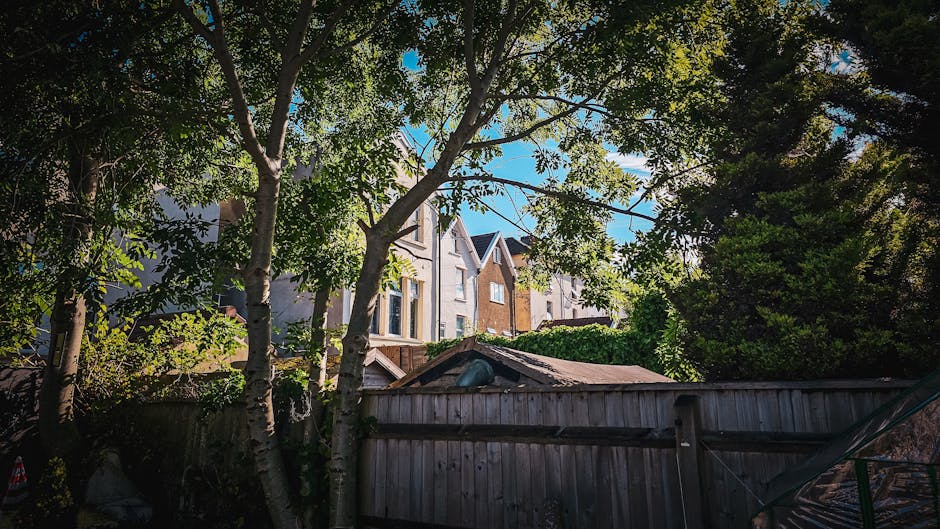
Garden maintenance for Terrace Homes on Bounds Green Road
If you live in a terrace home on Bounds Green Road, you already know the garden is usually compact, visible, and a little demanding. One wet week, and the lawn looks tired. A few windy days, and hedges start leaning over the fence. Add narrow access, shared boundaries, and the general squeeze of London living, and garden maintenance stops being a nice extra and becomes part of keeping the home comfortable and well cared for.
This guide breaks down Garden maintenance for Terrace Homes on Bounds Green Road in plain English: what matters most, how the work is usually handled, which tasks give the biggest impact, and where people tend to go wrong. It is written for anyone trying to keep a small urban garden tidy without wasting time, money, or weekends. And yes, there is a method to it. A fairly sensible one, too.
Why Garden maintenance for Terrace Homes on Bounds Green Road Matters
Terrace-house gardens behave differently from larger suburban plots. They are often long and narrow, sometimes shaded by fences or nearby buildings, and usually seen from kitchen windows or back doors every day. That means small problems stand out quickly. A patchy lawn, a hedge that has gone soft at the edges, weeds in the paving, or a bin area that feels cluttered can make the whole property look more tired than it really is.
There is also the practical side. On a tight plot, overgrowth can restrict access, trap damp, and make routine jobs harder. A forgotten corner becomes the place where leaves collect. A climber can sneak across a fence before you notice. In a terrace setting, maintenance is not only about appearance. It helps you protect usable space, reduce avoidable mess, and keep things feeling manageable rather than runaway. Let's face it, gardens get on top of people fast when they are ignored for a month or two.
For homes along Bounds Green Road, local conditions matter as well. Urban gardens tend to pick up road dust, wind-blown debris, and the effects of shade from neighbouring properties. A maintenance plan that works in a big open garden may not work here. Smaller spaces need cleaner edges, lighter planting choices, and regular attention instead of heroic weekend rescue missions.
Expert summary: In terrace gardens, consistency beats intensity. A little and often usually looks better, costs less to fix, and feels far less stressful than waiting for a major clear-up.
How Garden maintenance for Terrace Homes on Bounds Green Road Works
Good garden maintenance is usually a mix of routine tasks, seasonal checks, and occasional heavier work. In practice, it starts with understanding what the space needs most. A small paved yard with raised beds needs a different approach from a narrow lawn edged by shrubs. The aim is not to do everything every time. The aim is to do the right things at the right time.
A sensible maintenance visit or plan often covers:
- lawn mowing and edging
- hedge trimming and shaping
- weeding and border tidying
- leaf clearance and green waste removal
- pruning of suitable shrubs and climbers
- checking access points, paths, and decking for buildup
- light seasonal planting or bed refreshes where needed
For terrace homes, timing matters as much as the task list. A quick tidy before weeds seed or hedges harden into awkward shapes is always easier than a bigger correction later. In mid-spring, for example, you may focus on clearing winter debris and encouraging new growth. In late summer, the emphasis shifts to controlling exuberant growth and keeping borders neat. By autumn, leaf collection and cut-back work become the priority. Winter is often about preparing the garden to come back cleanly next year.
If you want broader support, a structured garden maintenance service can help keep the whole job organised rather than piecemeal. And if there has been a long gap between visits, a first pass may need more than routine work. In that case, a one-off garden clearance can reset the space before regular upkeep begins. That can be the difference between tidying and actually taking control.
Key Benefits and Practical Advantages
The obvious benefit is a better-looking garden. But on a terrace property, the practical gains go further than appearances. When a small outdoor space is kept in shape, the whole home tends to feel cleaner, calmer, and easier to use.
- More usable space: Clear paths, tidy edges, and controlled planting make even a compact garden feel larger.
- Less ongoing stress: Regular upkeep reduces the nagging feeling that the garden has become a weekend project you cannot face.
- Healthier plants: Pruning at the right time and avoiding overcrowding can improve airflow and growth.
- Safer access: Cutting back overgrowth helps keep routes, steps, and working areas easier to move through.
- Better neighbour relations: In terrace settings, tidy boundaries can avoid awkward conversations. Small thing, big difference.
There is also a property-value angle, though it should not be overstated. A neat, well-kept garden supports the overall impression of a home. Even simple things, like clean borders and healthy lawn edges, can make the outside feel cared for. And when the outside feels cared for, people notice inside too. That is just how it goes.
If you are thinking beyond maintenance and want a more substantial improvement, services such as landscaping or landscape gardening can help reshape a terrace garden into something more practical for everyday use. Sometimes the best maintenance decision is to improve the layout so future upkeep becomes simpler. Bit of a cheat, maybe, but a smart one.
Who This Is For and When It Makes Sense
This kind of maintenance suits a few common situations. If any of them sound familiar, you are probably in the right place.
- Busy homeowners: You want the garden to look good, but you do not have hours to spare every week.
- Landlords and property managers: A tidy garden helps present the property well between tenancies or inspections.
- Older residents: Tasks like hedge cutting, lifting waste, or edging paths can become a hassle, or even a risk.
- New homeowners: You may be trying to understand what needs doing and what can wait.
- Anyone recovering from neglect: If the garden has got out of hand, a staged maintenance plan is usually more realistic than a full overhaul.
It also makes sense when the space is awkward to manage. Terrace gardens often have side passages, shared rear access, or small storage areas that make tool handling annoying. Not impossible. Just annoying. In those cases, regular support can save a lot of faffing around with wheelbarrows, hosepipes, and bags of trimmings.
For homes with larger trees, awkward heights, or branches close to buildings, it may also be sensible to combine routine upkeep with specialist work such as tree lopping and removal. That is not a job to guess at. A bit of common sense goes a long way here.
Step-by-Step Guidance
If you are approaching terrace-garden care for the first time, a simple structure helps. You do not need to do everything in one go. In fact, trying to do too much usually leads to tired arms, messy piles of cuttings, and half-finished corners. Better to work methodically.
- Walk the garden first. Look for overgrowth, weeds, broken edging, blocked drains, slippery paving, and anything that feels neglected.
- Separate urgent from cosmetic. Safety and access come first. Appearance comes next.
- Clear the clutter. Remove pots, dead branches, loose debris, and old plant material before trimming anything else.
- Cut back and shape. Tidy hedges, shrubs, and climbers in stages so the garden does not end up looking stripped or lopsided.
- Deal with weeds properly. Pulling visible tops is not always enough. Try to remove roots where practical.
- Mow or edge the lawn. If there is turf, keep it neat and define the borders clearly. It makes a surprising difference.
- Check hard surfaces. Sweep paths, patios, and decking so moss, mud, and leaf litter do not build up.
- Remove waste responsibly. Bag cuttings, sort reusable material, and avoid leaving piles sitting for days.
- Finish with a final look-through. Step back. You will usually spot the one patch you missed. There is always one.
For people who want help with the ongoing mowing part of that routine, lawn mowing is often one of the first tasks to hand over. It is regular, repetitive, and easy to let slide. Once that starts, everything else tends to follow. Funny how that works.
Expert Tips for Better Results
Small gardens reward restraint. That is probably the biggest lesson. People often assume a compact terrace plot needs lots of plants, lots of colour, and lots of "interest". Sometimes it does. But sometimes it just needs breathing room, a tidy structure, and a few reliable features that do not demand constant correction.
Here are the habits that tend to work best in real life:
- Trim little and often: Regular shaping keeps hedges and shrubs from becoming bulky and hard to control.
- Use clean lines: Crisp edges make smaller gardens feel more ordered, even if planting is simple.
- Choose low-fuss planting: Plants that suit the light, soil, and wind conditions reduce ongoing struggle.
- Watch the shade: Terrace gardens can have awkward light patterns. What thrives in one corner may sulk in another.
- Keep waste moving: Green waste left in a pile can attract moisture, pests, and a general sense of neglect.
- Do not overfeed the lawn: Too much input can create more growth than the space can comfortably support.
One practical point that gets missed a lot: paths and decking deserve as much attention as the planting beds. A neat border can still look untidy if the paving is green with algae or the decking is covered in leaf stain. If timber features are part of the garden, a maintenance plan may sit alongside decking services to keep surfaces safe and presentable.
And honestly, don't wait for perfection. A garden does not need to look like a magazine spread. It just needs to feel cared for. There is a difference.
Common Mistakes to Avoid
Most garden problems in terrace homes come from delay, overgrowth, or trying to fix everything with one big burst of energy. Been there, seen that. The garden often wins.
- Waiting too long between cuts: Once hedges and shrubs get too large, maintenance becomes heavier and less precise.
- Cutting without a plan: Random trimming can leave uneven shapes that take months to recover.
- Ignoring boundaries: Overhanging growth can create friction with neighbours and make the garden feel cramped.
- Leaving clippings behind: Even a tidy cut can look messy if debris is not cleared properly.
- Overcrowding beds: Too many plants in a small terrace garden can lead to competition, shade issues, and constant pruning.
- Using the wrong approach for the season: Some shrubs handle spring cuts well, while others prefer later timing. It is worth checking carefully.
Another mistake is treating maintenance and clearance as the same thing. They are related, but not identical. Maintenance is the regular rhythm that keeps a garden in order. Clearance is the reset when things have got badly behind. If a space has been neglected for a while, starting with a clear-out may be the more honest option before returning to routine care.
Tools, Resources and Recommendations
You do not need an enormous kit to maintain a terrace garden properly. In many cases, a modest set of reliable tools beats a shed full of gadgets that never get used. The best kit is the one you can reach quickly and trust.
| Task | Useful tools | Practical note |
|---|---|---|
| Lawn care | Lawnmower, edging tool, rake | Good for keeping small turf areas even and tidy. |
| Hedges and shrubs | Shears, secateurs, hedge trimmer | Best used with caution so you keep a clean shape. |
| Weeding | Hand fork, trowel, gloves | Manual removal works well in narrow beds and paving joints. |
| Clearing | Leaf rake, broom, waste bags | Useful after windy weather or heavy leaf fall. |
| Hard surfaces | Broom, stiff brush, suitable cleaner | Keep paths and decks from becoming slippery or stained. |
If you are comparing professional help, look at the full range of services rather than only the headline task. A provider's services overview can show whether they handle routine upkeep, clearance, hedging, and related jobs in one place. That often makes life simpler, especially when the garden needs a few things at once.
For pricing clarity, it is sensible to review pricing and quotes before committing. Good quotes should explain what is included, what is extra, and whether waste removal is part of the job. If you are not sure what to ask, that page is a useful starting point. No need to play detective.
And if you want to understand the company's wider approach, a quick look at about us can be helpful. In a service like this, trust is built in the small details: how they explain the work, how they handle access, and how they talk about what they do not do.
Law, Compliance, Standards, or Best Practice
Garden maintenance is usually straightforward, but there are a few best-practice points worth keeping in mind in the UK. These are not here to make your life complicated; they are simply the sensible basics that help avoid avoidable problems.
First, waste should be handled responsibly. Green waste, soil, cut branches, and mixed materials should not just be dumped into the nearest bin without thought. Responsible removal and recycling matter, particularly in urban areas where disposal logistics are tighter. A provider that takes recycling and sustainability seriously is usually thinking a step ahead rather than just clearing the visible mess.
Second, safety matters, especially with ladders, tall hedges, awkward slopes, or power tools. Good practice includes sensible equipment use, clear access routes, and awareness of nearby surfaces that may be slippery or uneven. If work involves heights or falling branches, caution is not optional. It is the whole game.
Third, if you are dealing with trees near buildings, fences, or shared boundaries, it is worth using experienced help and sensible planning. Jobs that look simple from the ground can become awkward very quickly. For that reason, tree work should be approached with care and proper judgement rather than guesswork. A tidy result is great. A safe tidy result is better.
You can also check a provider's policies if you want reassurance around working practices. For example, health and safety policy, insurance and safety, and terms and conditions all help set expectations in a clear, practical way. That is often where the confidence comes from, truth be told.
Options, Methods and Comparison Table
There is more than one way to keep a terrace garden in good shape. The right method depends on time, budget, the condition of the space, and how much of the work you want to handle yourself.
| Approach | Best for | Pros | Trade-offs |
|---|---|---|---|
| DIY routine care | Small gardens, confident owners, low complexity | Flexible, low direct cost, full control | Takes time; easy to let slide; may miss technical pruning or disposal |
| One-off tidy-up | Overgrown gardens or seasonal resets | Fast improvement, clears the backlog | Does not maintain the result unless followed by regular care |
| Regular professional maintenance | Busy households, landlords, consistent presentation | Reliable standard, less stress, predictable upkeep | Ongoing cost; requires a service schedule |
| Maintenance plus upgrades | Gardens that need better layout or harder surfaces improved | Can solve the cause of repeated problems | More involved planning and usually a bigger project |
For many terrace homes, the sweet spot is a blend: some tasks kept in-house, with heavier or less frequent jobs handled professionally. That might mean mowing and light tidying yourself, while booking hedge work or a seasonal reset as needed. There is no prize for doing every single thing the hard way.
Case Study or Real-World Example
Consider a typical terrace garden on Bounds Green Road: a narrow rear space with a small lawn, a few shrubs, an old paved section near the house, and a hedge along the boundary that has become fuller than anyone intended. The owner has been mowing now and then, but the rest of the garden has quietly drifted into "almost tidy" territory.
The first visit focuses on the basics. Leaves and dead growth are removed, the lawn is cut and edged, the hedge is reduced to a manageable line, and weeds are taken out of the borders and paving joints. The patio is brushed clean, which sounds minor until you see the difference in daylight. Suddenly the space feels wider, brighter, and less like a chore waiting at the back door.
A follow-up plan then keeps things under control. Light mowing every couple of weeks during active growth, periodic hedge shaping, and a proper autumn clean-up prevent the whole cycle from starting again. Nothing dramatic. Just consistency. The homeowner can now use the garden for sitting out with a drink, hanging washing, or letting a child play without feeling they are stepping into a project.
That is often the real value of maintenance: not perfection, but relief. The garden stops asking so much of you.
Practical Checklist
Use this as a simple working checklist for terrace-garden upkeep.
- Walk the garden and note obvious problem areas.
- Clear loose debris, pots, and dead material.
- Mow or trim the lawn if one is present.
- Edge borders and cut back overhanging growth.
- Remove weeds from beds, paving, and fence lines.
- Check for slippery surfaces, moss, or compacted leaf litter.
- Inspect shrubs and hedges for uneven growth or damage.
- Bag and remove cuttings promptly.
- Review whether any area needs clearance rather than routine care.
- Decide what you can realistically maintain between visits.
If you tick most of those off regularly, your terrace garden will stay far easier to manage. Simple, but effective.
Get a free quote today and see how much you can save.
Conclusion
Garden maintenance for terrace homes on Bounds Green Road is really about making a small space work well in daily life. Keep it tidy, keep it safe, and keep it simple enough that it does not become a burden. That is the sweet spot. With regular care, a terrace garden can feel surprisingly generous, even if it is compact and a bit shaded at the edges.
The best results usually come from consistent routines, realistic expectations, and the willingness to get help when the job is bigger than a quick sweep and a pair of shears. If the garden has slipped, that is fine. Most gardens do, eventually. The point is to bring it back in a steady, calm way and keep it there.
And if you want the outside of your home to feel as cared for as the inside, that is a very good place to start.
Frequently Asked Questions
How often should a terrace garden on Bounds Green Road be maintained?
For most terrace homes, light maintenance every one to two weeks during active growing periods is a sensible baseline. In quieter months, monthly checks may be enough. The exact rhythm depends on shade, planting, and whether you have lawn, hedges, or a lot of hard landscaping.
What is included in garden maintenance for a terrace property?
Typical maintenance includes mowing, hedge trimming, pruning suitable shrubs, weeding, leaf clearing, edging, and tidying paths or patios. Some providers also handle waste removal and seasonal refreshes. It is worth confirming what is included before booking.
Is garden maintenance different from garden clearance?
Yes. Maintenance is the regular upkeep that prevents a garden from becoming messy in the first place. Clearance is for heavier jobs where the space has become overgrown, cluttered, or neglected. A lot of terrace gardens need a clearance first, then routine maintenance afterwards.
Can a small terrace garden still benefit from professional help?
Absolutely. Small gardens can be deceptively time-consuming because every corner is visible and access is often awkward. Professional help is especially useful if you want a tidy result without spending your own weekends on repetitive jobs.
What should I prioritise if I only have time for a few tasks?
Start with safety and access: remove debris, clear paths, and cut back anything blocking movement. After that, mow or edge the lawn, deal with weeds, and tidy visible boundaries. Those jobs usually make the biggest visual and practical difference.
Do terrace gardens need different planting choices?
Usually, yes. Smaller gardens tend to work better with plants that stay in proportion, cope with local shade or wind, and do not need constant correction. Mixed planting is fine, but overcrowding is the thing to avoid. Too much of a good thing, as they say.
How do I keep a hedge from becoming unmanageable?
Trim hedges little and often rather than waiting for them to become oversized. Regular shaping keeps growth denser and easier to control. Once a hedge gets too large, it often needs heavier work to bring it back into line.
What happens to the waste after maintenance work?
Usually, cuttings, leaves, and other green waste are collected and removed or recycled responsibly, depending on the service arrangement. If waste handling matters to you, ask about it up front so you know exactly what to expect.
Are decking and paved areas part of garden maintenance?
They often should be. In terrace gardens, hard surfaces can collect algae, mud, and leaf litter quickly. Regular sweeping and cleaning help keep them safer and better looking. If there is timber decking, a more specialist approach may be needed.
How do I know if I need landscaping rather than maintenance?
If the garden keeps causing the same problems, such as poor drainage, awkward access, or unusable layout, then maintenance alone may not be enough. In that case, a redesign or improvement project may be more practical. It is a good moment to think about landscape gardening or broader landscaping.
Is there anything I should check before hiring a garden maintenance service?
Yes. Check what is included, how waste is handled, whether the team is insured, and how they approach safety around tools and access. You can also look at insurance and safety and health and safety policy if you want more reassurance.
How can I make a terrace garden easier to maintain in the long term?
Choose plants that suit the space, keep lines clean, avoid overcrowding, and set a realistic maintenance routine. If the layout is awkward, a few targeted improvements can make ongoing upkeep much simpler. That is usually the smartest investment, even if it is not the flashy one.
What is the best first step if my garden has got out of hand?
Start with a basic assessment. Decide what must be cleared, what needs cutting back, and what can wait. If the space is heavily overgrown, it may be better to begin with garden clearance and then move into regular maintenance once the garden is back under control.
For a friendly, practical approach and clear next steps, you can also review the company's contact us page or learn more about how it works through the wider services overview. If you are the kind of person who likes to know exactly what you are getting, that is probably the best place to begin.